
Optimal Timing for Storm Restorations
Storm restorations are most effectively performed during specific times of the year to ensure optimal results and safety. Understanding the seasonal patterns and weather conditions can help determine the best window for repairs and restorations related to storm damage.
Spring often sees increased storm activity, making it a common time for damage assessments and repairs to be scheduled after winter storms.
Summer provides longer daylight hours and generally stable weather, ideal for completing storm restoration projects efficiently.
Autumn can be suitable for storm restorations before winter weather sets in, minimizing delays caused by cold or snow.
Winter is generally less ideal due to cold temperatures, snow, and ice, which can hinder repair work and affect material performance.
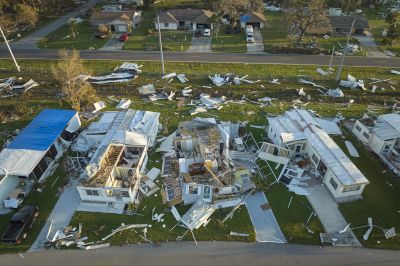
Evaluating storm damage promptly after storms ensures timely restoration efforts.
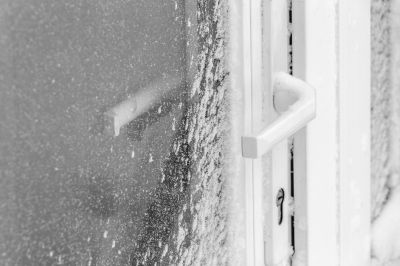
Spring is a prime time for repairs following winter storms.

Summer offers favorable weather conditions for efficient restoration work.
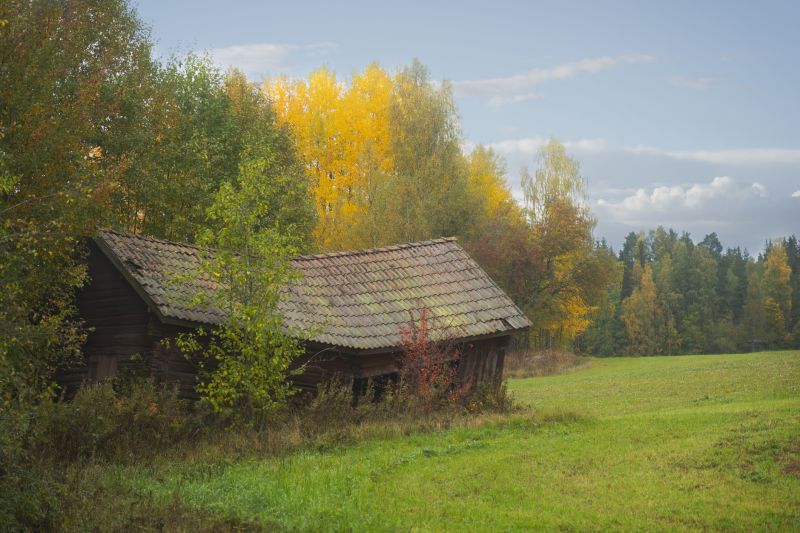
Autumn is suitable for completing storm repairs before winter arrives.
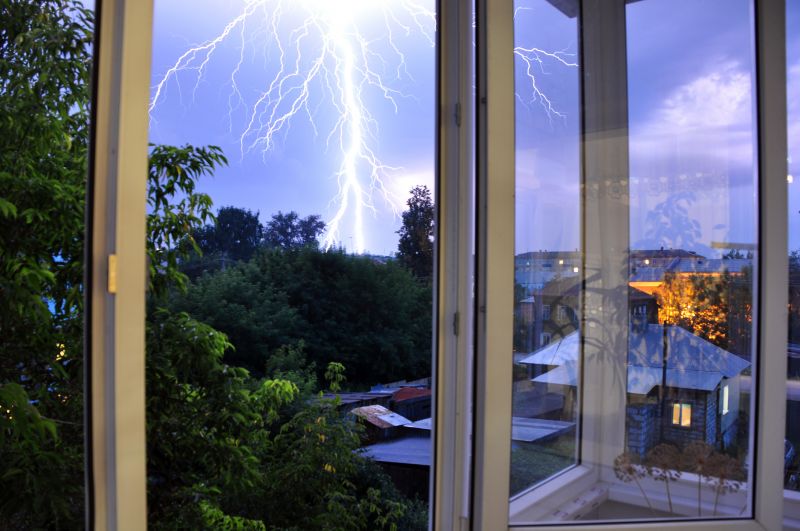
Ways to make Storm Restorations work in tight or awkward layouts.
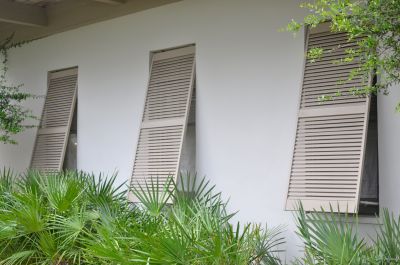
Popular materials for Storm Restorations and why they hold up over time.
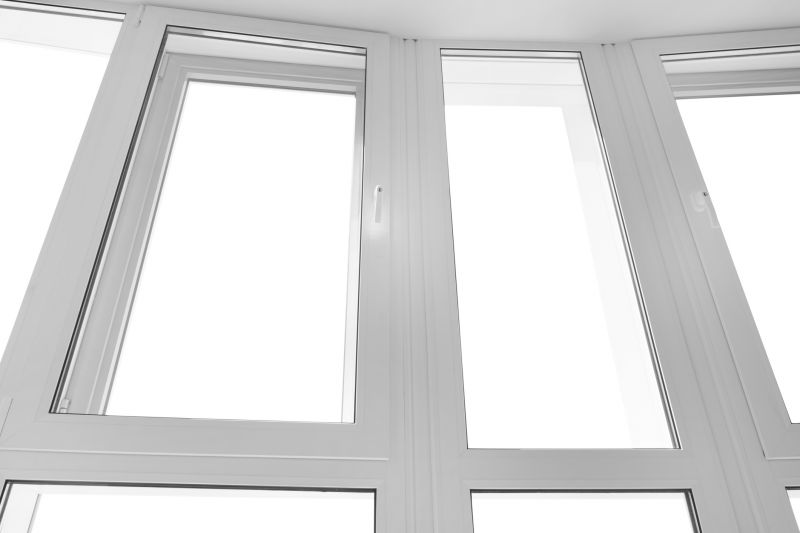
Simple add-ons that improve Storm Restorations without blowing the budget.
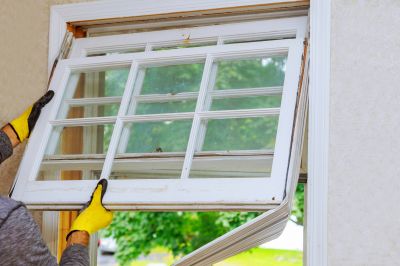
High-end options that actually feel worth it for Storm Restorations.
Storm restorations encompass a range of repair activities aimed at restoring damaged structures, roofs, and exteriors caused by severe weather events. Proper timing ensures that repairs are durable and completed under optimal conditions, reducing the risk of further damage or delays.
Statistics indicate that performing storm restorations during favorable weather conditions can reduce project duration by up to 30% and improve the longevity of repairs. Planning ahead during the appropriate season can also help in scheduling inspections, obtaining necessary permits, and coordinating with contractors efficiently.
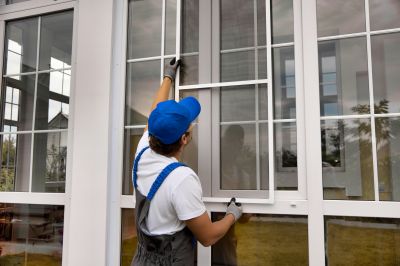
Restoration work to repair roofs, siding, and windows after storms.

Assessing damage immediately after storms ensures timely action.

Active storm restoration projects underway.
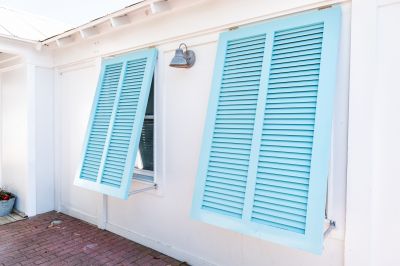
Finishes and colors that play nicely with Storm Restorations.
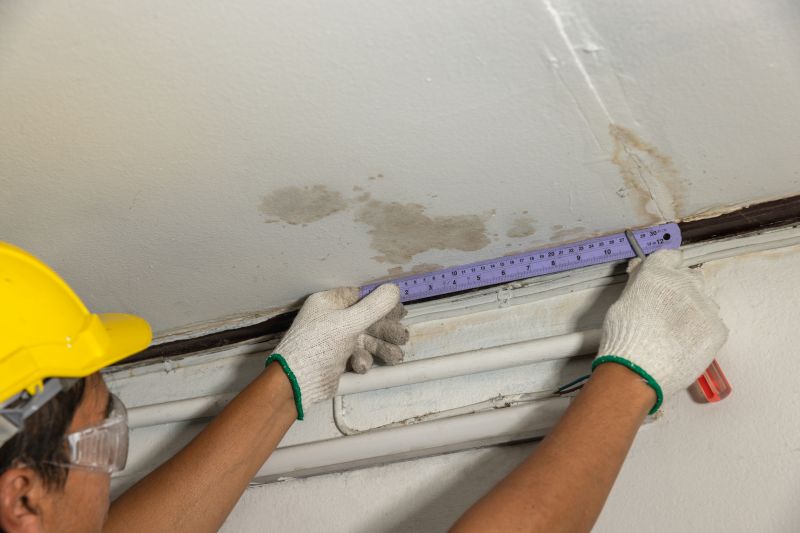
Little measurements that prevent headaches on Storm Restorations day.
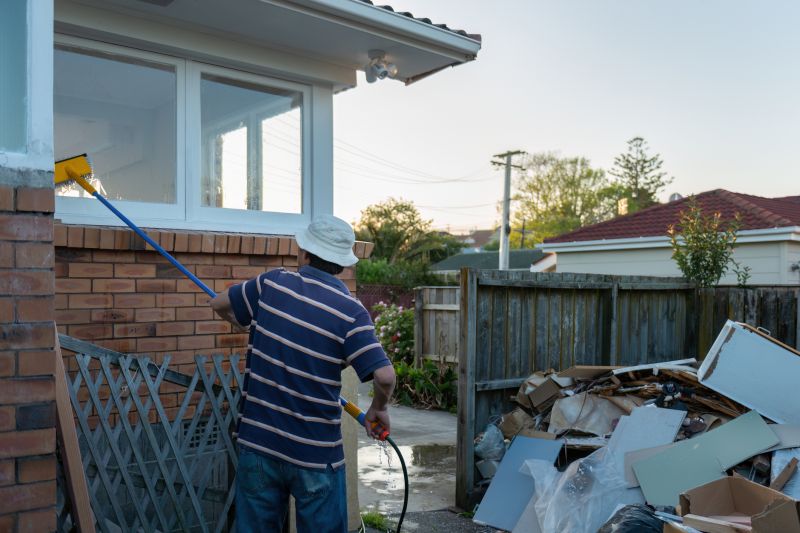
A 60-second routine that keeps Storm Restorations looking new.
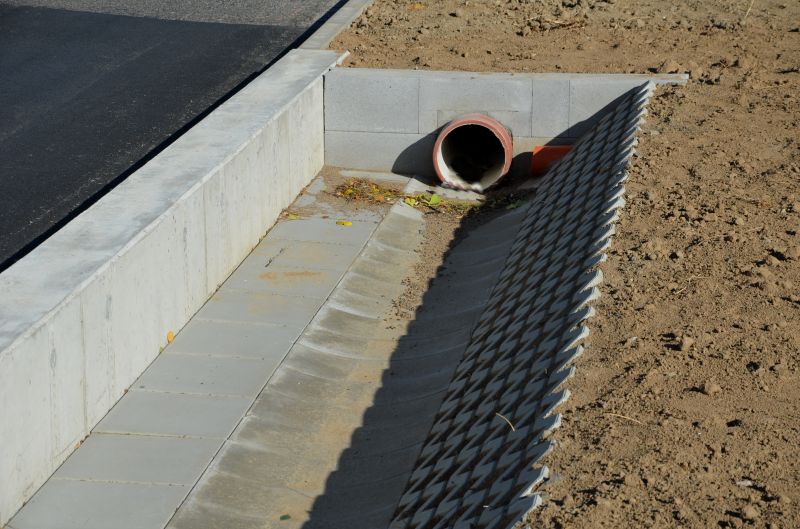
A frequent mistake in Storm Restorations and how to dodge it.
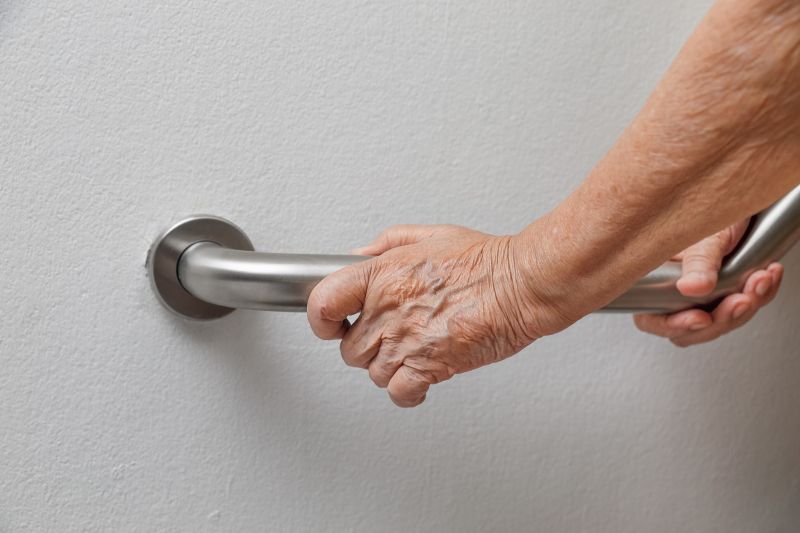
Small tweaks to make Storm Restorations safer and easier to use.
The optimal time is during late spring through early fall when weather conditions are most stable, allowing for safe and efficient repairs.
Weather impacts the ability to perform repairs safely and effectively. Cold, snow, and rain can delay projects and affect material performance.
While possible, winter repairs are less ideal due to low temperatures and potential for snow and ice, which can hinder work and compromise repair quality.
Planning ensures availability of materials, scheduling of contractors, and reduces delays caused by adverse weather conditions.
Interested parties are encouraged to contact for more information about scheduling storm restorations at the most suitable time for their specific needs. Proper timing can help ensure effective repairs and long-term protection against future storms.